Pecan Tree Female Flowers
For optimum pollination, nc state extension recommends planting at. Because this freeze occurred early in the season, many of the primary buds on last year’s growth have not forced, so there should still be adequate catkins produced for pollination of these later female flowers.

June 17, 2018 Plants, Chestnut
At this time of year, the male flowers of pecan, or catkins, are the most noticeable flowering structure on the tree.

Pecan tree female flowers. The female flowers are difficult to see from the ground without a pair of binoculars. In the photo above, you see numerous catkins hanging down from last year's growth (grey twig). The pecan tree is monoecious.
Pecan is monoecious, having separate male and female flowers on the same plant. The mature female flower structure of the pecan tree. A pecan tree has both male flowers (pendant catkins), and female flowers (erect spikes), on the same tree.
This means it has both the male and female reproductive organs on different flowers. The very first female flowers on pecan trees are starting to emerge from this season's new growth. Andro=male) and is classified as type i.
They have separate male and female flowers on the same tree. This hardwood is used in the production of high quality. Pecan trees bloom in the spring, usually in late april or early may, although the exact time depends on the cultivar.
The male flowers form hanging catkins [photo below]; Gamy='sexual union'), since male and female flowers on a tree mature at different times. In (or near) a pecan orchard, a tree that sheds pollen when the female nutlets on the main variety of pecan trees are receptive
According to the new mexico state university website, the female flower, or pistil, develops the pecan nut within seven months of the growing season if properly pollinated from the male flower. Both male and female flowers are found on the same tree. A pecan tree has both male flowers (pendant catkins) and female flowers (erect spikes).
In contrast, protogynous pecan trees have male flowers that release pollen immediately after female flowers are ready. Below the catkins are the female flowers. This member of the hickory genus can grow to heights of over 100 feet and may live and bear nuts (actually drupes) for up to 300 years.
Pecan trees have both male and female flowers on the same tree that are wind pollinated. A pecan, is not truly a nut, but is technically a drupe, a fruit with a single stone or pit, surrounded by a husk. Male flowers are a pretty good indicator of type since they are distinctly different.
Female flowers are borne terminally in a spike {often with 6 or more flowers per spike) on current season’s growth. The smaller, green spikes of female flowers that receive pollen grow at the end of the current year's growth. The female flowers are tiny nutlets with an open end.
The male flowers are borne in large numbers on catkins, which arise laterally in the spring along the last season’s shoot growth. The trees produce separate male and female flowers on the same tree. To overcome this problem, each.
Pecan trees are pollinated by wind. When male flowers release their pollen before female flowers are receptive, those flowers are protandrous, or type i. One tree must pollinate with another cultivar to produce a crop of nuts.
In protandrous pecan trees, wind carries pollen released by male flowers before female flowers are ready to receive it. Pecan trees flower in the spring. On most varieties, the pollen is not dispersed (shed) at the same time that the nutlets become receptive.
Spikes along the shoot of the tree identify female flowers. Type i (protandrous) pecans have male flowers that release their pollen before their female flowers are receptive to pollen shed. The primary agent of pollination is wind, which allows pollen to blow from one tree to the flowers of another.
The pollen is blown from male flowers called catkins to female flowers called nutlets. Pecan catkins grow in groups of two or three laterally along wood that is a year old. Type ii (protogynous) pecans release their pollen after their female flowers were receptive.
If male flowers dehisce pollen before pistillate flowers are receptive, the tree is protandrous (protos=first; The female reproductive structure of a flower. Pollen is not released when flowers are receptive, so pollination within and between the same cultivars is limited.
You only need one pollinator tree for every ten trees of the other type to set a crop of pecans. Pecans also release pollen at different times, which is called dichogamous flowering. Both male and female flowers are about 1/8 inch long.
A pecan tree has dichogamous flowering (dicho='two part'; The female flowers are arranged in tight clusters at the ends of the shoots. In springtime, pecan trees flower.
But you’ll need more than one variety for a good harvest, since the male and female flowers are receptive at different times on a single tree. The pecan tree produces pendulous green spikes of male flowers, called catkins, that produce pollen. The tree produces both male and female flowers.
The male flowers are seen dangling from the branches in clusters of 5 to 6 inches. The pollinated female flowers will form a green, protective husk, as the insides begin to mature into the pecan. The fertilized female flowers rapidly develop into the fruit of the pecan known as a nut.
For a healthy pecan tree, some of the dormant buds can produce a new shoot and produce a second set of female flowers. The first half of its development is utilized in developing size and the last half, in filling the shell (ovary wall) with two cotyledons known as a kernel. These clusters are termed catkins.
While the male flowers will produce pollen, the female flowers become pollinated and then they transform into the pecans themselves! Pecan trees are monoecious, meaning each tree has both male and female flowers. Pecan trees bloom in the spring, usually in late april or early may, although the exact time depends on the cultivar.
Well, pecan trees exhibit dichogamy which means that the stigma on the female flower isn’t receptive at the same time the pollen is shed from the catkin on the male flower. Cultivars are separated into type i and type ii for pollination purposes. So, although one pecan tree will have both the male and female flowers on it, the two flowers don’t do.
The trees produce separate male and female flowers on the same tree.the flowers rarely bloom at the same time, however;

Pin by Karyn Maxfield on Gardening Fig, Nut cheese, Garden

Detail of sunripened pistachio nut clusters. ARO

Red Mulberry Fast growing trees, Mulberry tree, Plants

Lychee tree Backyard Flora of Blantyre Pinterest
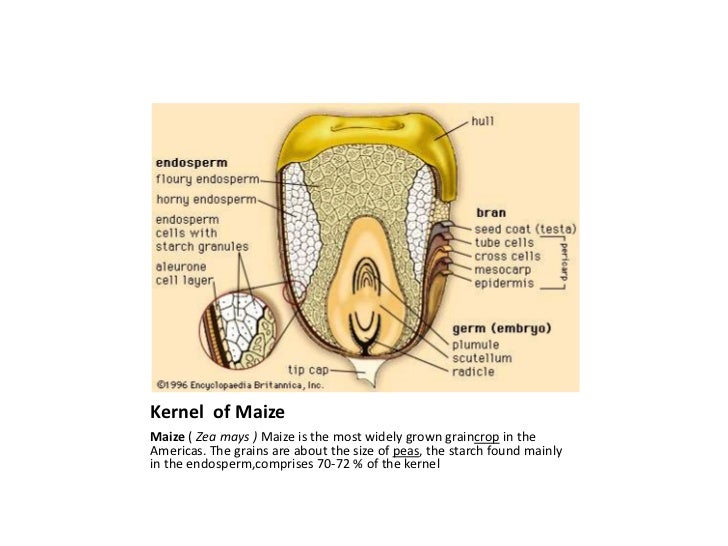
Maize grain Grass species, Fruit seeds, Grains

Sassy City Chicks Miami 2013 Girls Night Out Shopping

1438370 artistshutterflyeqd, bird, cute, duckling

pics of moths Clearwing Hummingbird Moth (aka Bumblebee

Pin by Lisa Thrash on 16 EASTER in 2020 Egg hunt, Gorle

Pin by Jessamaezing on Plant Photo Reference Guide

Wants some..but what a bought heat and drought resistance

_nut_peanut Aesthetic iphone wallpaper, Hand

Pin by Jessamaezing on Plant Photo Reference Guide

Pin on 14. Produce Worldwide

Mission San Juan Bautista and also the location where they

Guide to Nongriat and the double decker root bridge

Pin by Nancy Owens Merenda on Cute Animal Pictures (With

Ladies... look sharp! Karyatides Erechtheion Acropolis

POSTER_175x_25_677139a.jpg (883×635)


Komentar
Posting Komentar